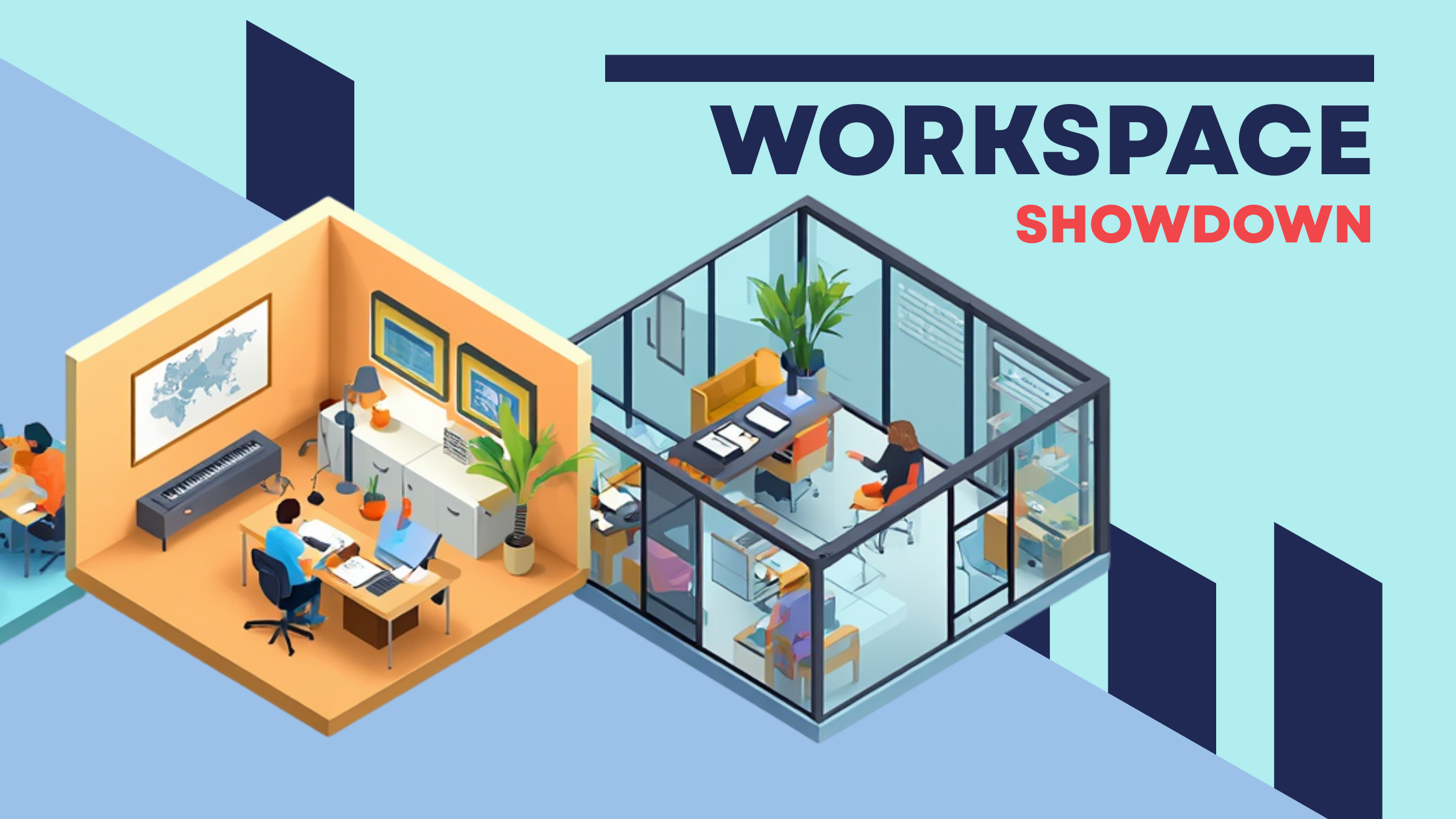
The way people work in Pakistan has changed quickly. Freelancers, startups, and even well-established firms are re-evaluating traditional office setups. In cities such as Karachi, professionals mainly choose among three options: working from home, using a coworking space, or leasing a private office.
Each option involves genuine trade-offs in cost, productivity, and long-term worth. The best choice depends on your working style, daily needs, and how your work is expected to develop.
This guide breaks down all three so you can make a confident, informed decision.
The Rise of Flexible Workspaces in Pakistan
Over the past few years, work culture in Pakistan has shifted. Freelancers, startups, and even established companies are moving away from fixed office setups. The reason is simple: flexibility and cost control. Instead of committing to long-term leases and high upfront costs, many professionals now prefer flexible workspace options that let them scale up or down without complications.
At the same time, remote work has made the home office a default starting point for many people. But not every setup works for every type of work.
1. Home Office
A home office is the most accessible and widely used option, especially among freelancers, remote workers, and early-stage entrepreneurs. It involves setting up a dedicated workspace inside your home, using your own furniture, internet, and utilities.
Key Characteristics: Zero commute, no rent cost, full control over your environment, and flexible working hours. This setup is common in Pakistan due to rising rental costs and the growth of remote work opportunities.
2. Coworking Space
Coworking spaces are shared offices where individuals or teams rent desks or private cabins on flexible terms. In Karachi, coworking hubs have become popular in areas like Clifton, DHA, and Shahrah-e-Faisal. Platforms like SandBox provide flexible workspace solutions designed for freelancers, startups, and growing teams.
Key Characteristics: Ready-to-use office setup, High-speed internet and utilities included, Networking opportunities, and flexible monthly or daily plans.
3. Rented Office
A rented office is a traditional commercial space leased for your business. This option is typically used by established companies or teams that need privacy and control.
Key Characteristics: Long-term lease commitments, full branding and customization, dedicated space for your team, and higher upfront and operational costs.
Direct Comparison: What Actually Matters
Cost
A home office offers the lowest cost, making it the best option if budget is your main concern. Coworking spaces fall in the mid-range, offering predictable expenses, flexibility, and shared amenities. On the other hand, renting a private office comes with the highest total cost due to rent, utilities, and long-term commitments. If you’re looking to balance cost with value and avoid heavy commitments, coworking is often the most practical choice.
Flexibility
A home office offers complete flexibility, allowing you to work on your own schedule without restrictions. Coworking spaces also provide flexibility through various membership plans that can be adjusted as your needs change. In contrast, rented offices tend to be fixed and rigid, often requiring long-term commitments and less adaptability. Overall, flexible workspace options clearly outperform traditional office setups in this regard.
Productivity
Productivity in a home office largely depends on your environment, which can be affected by distractions or a lack of structure. Coworking spaces, on the other hand, provide a consistently structured setting that helps maintain focus and routine. Rented offices offer the highest level of control, allowing you to design a workspace tailored to your needs. However, most people experience a noticeable boost in productivity when transitioning from a home office to a coworking environment.
Professional Image
A home office offers limited opportunities for creating a strong professional impression, especially when interacting with clients. Coworking spaces provide a more polished and professional environment, making meetings and collaboration feel more credible. Rented offices go a step further by allowing full branding and customization, helping businesses establish a distinct identity. If client perception matters, coworking spaces or a rented office are the better options.
Scalability
A home office offers limited scalability, as space and resources can quickly become restrictive. Coworking spaces, however, are easy to scale, allowing you to upgrade or adjust your plan as your team or business grows. In contrast, rented offices are often difficult to adjust due to fixed leases and long-term commitments. This makes coworking spaces a practical choice for businesses that want to grow without taking on long-term risk.
Which Option Is Right for You?
Choose Home Office if:
You are a freelancer or solo worker, you want to minimise expenses, and you are highly self-disciplined.
Choose Coworking if:
You want a professional environment without long-term commitment, you value networking and collaboration, and you need flexibility as your work evolves.
Choose Rented Office if:
You have a growing team, you need privacy and full control, and you want to build a strong brand presence.
Conclusion
The decision between a home office, coworking space, and rented office comes down to one core factor: how you work today and how you plan to grow.
In Pakistan, especially when comparing coworking vs home office Pakistan setups, the shift toward flexibility is clear. A home office remains the most cost-effective option and suits individuals who value independence and low expenses. However, it lacks structure, professional presence, and scalability.
On the other end, a traditional rented office delivers full control, branding, and privacy—but at a significantly higher cost. When you factor in the office space Karachi cost, including rent, utilities, and setup, this option only makes sense for established teams ready for long-term commitments.
Coworking sits firmly in the middle and stands out as the most practical solution for modern professionals. It combines affordability, flexibility, and a professional environment without the risks tied to long leases. As a flexible workspace, it supports productivity, networking, and business growth while keeping costs predictable.
The direction is clear: Choose a home office for simplicity and cost savings, choose coworking for balance, growth, and professionalism, and choose a rented office for scale, control, and brand presence.
For most freelancers, startups, and growing teams in Karachi, coworking is the smartest step forward—offering everything needed to work efficiently today while staying ready for tomorrow.